
Ethiopian Coffee Culture: More Than Just a Drink
The Birthplace of Coffee

When we think of coffee today, we imagine bustling cafés, takeaway cups, espresso machines, and global brands. Yet long before coffee became a worldwide beverage industry, it was a sacred ritual rooted in the highlands of Ethiopia. In Ethiopia, coffee is not just a drink—it is a ceremony, a symbol of hospitality, a social bond, and a deep expression of cultural identity.
Ethiopia is widely regarded as the birthplace of coffee. The story most often told begins in the ancient region of Kaffa, from which the word “coffee” is believed to have originated. According to legend, a goat herder named Kaldi discovered coffee around the 9th century. He noticed that his goats became energetic and lively after eating bright red berries from a certain tree. Curious, Kaldi tried the berries himself and felt a similar boost of energy. The berries eventually reached local monks, who used them to stay awake during long hours of prayer.

Whether or not this legend is historically accurate, scientific evidence supports the idea that the coffee plant, Coffea arabica, originated in Ethiopia’s forests. Even today, wild coffee trees grow naturally in the Ethiopian highlands, making the country unique in the global coffee story.
Coffee as a Cultural Identity
In Ethiopia, coffee is called “buna,” and the coffee ceremony is known as the “buna ceremony.” It is one of the most important social traditions in Ethiopian life. Unlike in many countries where coffee is quickly brewed and consumed, Ethiopian coffee is prepared slowly and respectfully. The ceremony is often performed by women and can take more than an hour.
The ceremony is not only about drinking coffee; it is about connection. Families gather, neighbors are invited, discussions are held, and relationships are strengthened. It is common to hear people say that coffee in Ethiopia is “a blessing.” Refusing an invitation to a coffee ceremony may even be considered impolite, as it represents declining hospitality.
The Traditional Ethiopian Coffee Ceremony

The Ethiopian coffee ceremony follows a carefully structured process. Each step carries symbolic meaning.
1. Preparation of the Space
The ceremony usually takes place in a clean room. Fresh grass may be spread on the floor, symbolizing renewal and life. Incense is burned to purify the air and create a peaceful atmosphere. Small coffee cups, called “cini,” are arranged neatly on a tray.

2. Washing and Roasting the Beans
Green coffee beans are first washed to remove impurities. Then they are roasted in a flat pan over an open flame. The roasting process fills the room with a rich, aromatic smell.
An important part of the ceremony is showing the roasted beans to the guests. The host gently waves the pan toward them so they can inhale the aroma. This moment emphasizes appreciation and shared experience.
3. Grinding the Beans
After roasting, the beans are ground manually using a mortar and pestle. The rhythmic sound of grinding adds to the sensory experience. Unlike modern electric grinders, this traditional method reflects patience and craftsmanship.
4. Brewing in the Jebena
The ground coffee is placed in a traditional clay pot called a “jebena.” The jebena has a round base, a narrow neck, and a spout for pouring. Water is added, and the pot is placed over hot coals.
The brewing process takes time, allowing the flavors to develop fully. The coffee is not filtered; instead, the grounds settle at the bottom of the pot.
5. Serving the Coffee
The coffee is poured into small cups without handles. The host pours from a height, demonstrating skill and elegance. Sugar is often added, though in some regions salt or butter may be used instead.
The ceremony typically includes three rounds of coffee:
- Abol – the first and strongest round
- Tona – the second round
- Baraka – the third round, meaning “blessing”
Each round represents a stage of connection and community. Leaving before the third round is uncommon because it is believed to miss the blessing.
Coffee and Ethiopian Hospitality
Hospitality in Ethiopia is closely tied to coffee. When guests arrive, they are almost always offered coffee. Even in rural villages with limited resources, hosting a coffee ceremony is a matter of pride and respect.
Coffee brings people together during important life events—births, marriages, religious celebrations, and even times of mourning. It acts as a social glue, strengthening family and community bonds. Conversations during the ceremony may include daily news, political discussions, storytelling, or simply laughter among friends.
In this way, coffee becomes more than a beverage. It becomes a tool for communication and unity.
Regional Diversity of Ethiopian Coffee


Ethiopia’s diverse geography contributes to a wide variety of coffee flavors. Some famous coffee-growing regions include:
- Yirgacheffe – Known for floral and citrus notes.
- Sidamo – Offers balanced acidity and fruity flavors.
- Harrar – Produces bold, wine-like coffees with blueberry hints.
These regional differences reflect Ethiopia’s unique climate, altitude, and traditional processing methods. Many Ethiopian farmers still use natural or sun-dried processing, which enhances fruity flavors.
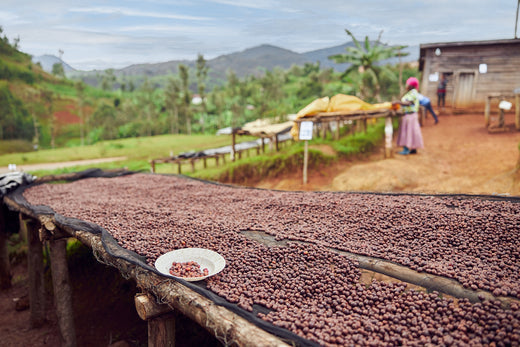
Because of this diversity, Ethiopian coffee is highly valued in international markets. Specialty coffee lovers around the world often consider Ethiopian beans among the finest available.
Economic Importance of Coffee in Ethiopia
Coffee is not only culturally significant but also economically vital. Millions of Ethiopian farmers depend on coffee cultivation for their livelihood. It accounts for a large portion of the country’s export earnings.
Most Ethiopian coffee is grown by small-scale farmers who rely on traditional, environmentally friendly methods. Many farms are organic by default, as they use minimal chemical fertilizers. Coffee cultivation also helps preserve forests, since wild coffee grows under natural shade trees.
In this sense, coffee is connected to both environmental sustainability and rural development.
Coffee in Ethiopian Religion and Spiritual Life
Coffee also holds spiritual meaning in Ethiopian society. In the Ethiopian Orthodox Christian tradition, which is prominent in Addis Ababa and other regions, coffee ceremonies may accompany religious holidays and fasting periods.
For Muslims in Ethiopia, coffee gatherings often follow prayers or important events. In both communities, coffee serves as a bridge between daily life and spiritual reflection.
The three rounds of the ceremony symbolize transformation—from strong beginnings to blessed conclusions. This spiritual dimension further strengthens coffee’s role in Ethiopian identity.
From Ethiopia to the World
Although coffee originated in Ethiopia, it spread across the world through trade. Historical records suggest that coffee reached Yemen through the Red Sea trade routes. From there, it moved to the Middle East, Europe, and eventually the Americas.
Coffeehouses became centers of intellectual and social activity in cities like Istanbul, London, and Paris. Yet behind this global expansion lies Ethiopia’s ancient forests and traditions.
Today, while espresso machines and instant coffee dominate many markets, Ethiopia continues to preserve its traditional methods. Visitors to Ethiopia often describe participating in a coffee ceremony as one of the most memorable cultural experiences of their lives.
Modern Influence and Global Recognition
In recent years, Ethiopian coffee has gained even greater recognition in the specialty coffee industry. Baristas and roasters highlight Ethiopian single-origin beans for their complex flavors. International coffee competitions frequently feature Ethiopian varieties.
At the same time, urban cafés in Addis Ababa blend tradition with modern style. Young Ethiopians enjoy both traditional buna ceremonies and contemporary coffee culture. This balance shows that Ethiopian coffee culture is not frozen in history—it is evolving while maintaining its roots.
Why Ethiopian Coffee Is More Than Just a Drink
To truly understand Ethiopian coffee culture, one must see it not merely as a beverage but as a living tradition.
- It is history – Rooted in ancient forests and legends.
- It is ritual – Carefully prepared with symbolic meaning.
- It is hospitality – A sign of respect and friendship.
- It is economy – Supporting millions of livelihoods.
- It is identity – A source of national pride.
In many parts of the world, coffee is consumed quickly during busy mornings. In Ethiopia, it encourages people to slow down, connect, and appreciate the moment. The ceremony teaches patience and presence in an increasingly fast-paced world.