
Sustainable Tourism and Eco-Travel in Ethiopia
How Tourism Can Protect Culture and Environment While Creating Jobs
Ethiopia is a land of ancient civilizations, dramatic landscapes, diverse wildlife, and vibrant cultures. From the rock-hewn churches of the north to the tribal communities of the south, the country offers an extraordinary travel experience. However, as tourism grows, the need for sustainable tourism and eco-travel becomes more important than ever.
Sustainable tourism means traveling in a way that protects nature, respects culture, and benefits local communities. Eco-travel focuses on responsible visits to natural areas that conserve the environment and improve the well-being of local people. In Ethiopia, these approaches are not just trends—they are essential for preserving heritage and creating employment opportunities.
Protecting Natural Landscapes Through Responsible Tourism


Ethiopia’s landscapes are among the most diverse in Africa. The rugged peaks of the Ethiopian Highlands, the volcanic plains of the Danakil Depression, and the lush forests of Bale Mountains are all unique ecological zones.
Sustainable tourism helps protect these fragile ecosystems in several ways:
- Park entrance fees support conservation programs.
- Community guides educate visitors about environmental protection.
- Eco-lodges reduce pollution by using solar energy and local materials.
- Visitor regulations limit damage to wildlife and plant life.
When tourists pay for guided treks in national parks, part of that revenue is used for wildlife monitoring, anti-poaching patrols, and reforestation programs. This creates jobs while protecting biodiversity.
Supporting Wildlife Conservation


Ethiopia is home to rare species such as the Ethiopian wolf, Walia ibex, and Gelada baboon. These animals are found nowhere else in the world.
Eco-tourism encourages wildlife protection by:
- Promoting guided wildlife tours instead of illegal hunting.
- Supporting conservation NGOs.
- Creating employment as rangers, trackers, and researchers.
- Encouraging responsible photography rather than animal exploitation.
For example, visitors who come to see endemic species contribute directly to conservation funds. When communities earn income from wildlife tourism, they have a strong reason to protect animals rather than harm them.
Preserving Cultural Heritage and Traditions


Ethiopia’s culture is rich and ancient. The rock-hewn churches of Lalibela, the colorful Timkat festival, the traditional lifestyles of Omo Valley tribes, and the historic walled city of Harar all represent living heritage.
Sustainable tourism protects culture by:
- Funding restoration of historical sites.
- Supporting local artisans.
- Encouraging cultural exchange with respect.
- Preventing over-commercialization of traditions.
When tourists buy handmade crafts directly from artisans, they help keep traditional skills alive. Festivals such as Timkat attract visitors while strengthening community pride. Responsible tourism ensures that cultural performances are authentic rather than staged purely for profit.
Empowering Local Communities


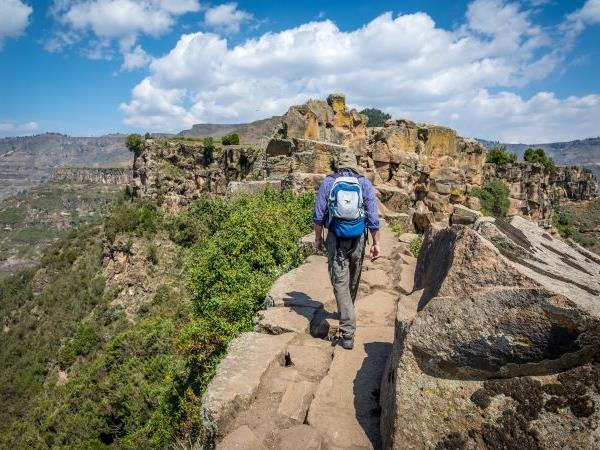

One of the greatest benefits of sustainable tourism is community empowerment. Instead of profits going only to large corporations, eco-tourism encourages local ownership.
Community-based tourism projects:
- Train local youth as guides.
- Employ women in handicrafts and hospitality.
- Support small guesthouses and eco-lodges.
- Promote local food and agricultural products.
When villages manage tourism activities themselves, they decide how revenue is spent—often on schools, healthcare, or clean water projects. This model reduces poverty while strengthening local identity.
Promoting Eco-Lodges and Green Hospitality




Eco-lodges are accommodation facilities designed to minimize environmental impact. In Ethiopia, many lodges use:
- Solar power for electricity.
- Rainwater harvesting systems.
- Locally sourced construction materials.
- Waste recycling practices.
Such practices reduce carbon emissions and conserve water. They also create jobs for local builders, cooks, gardeners, and maintenance staff. Guests enjoy authentic experiences while supporting environmental protection.
Reducing Environmental Impact Through Responsible Travel



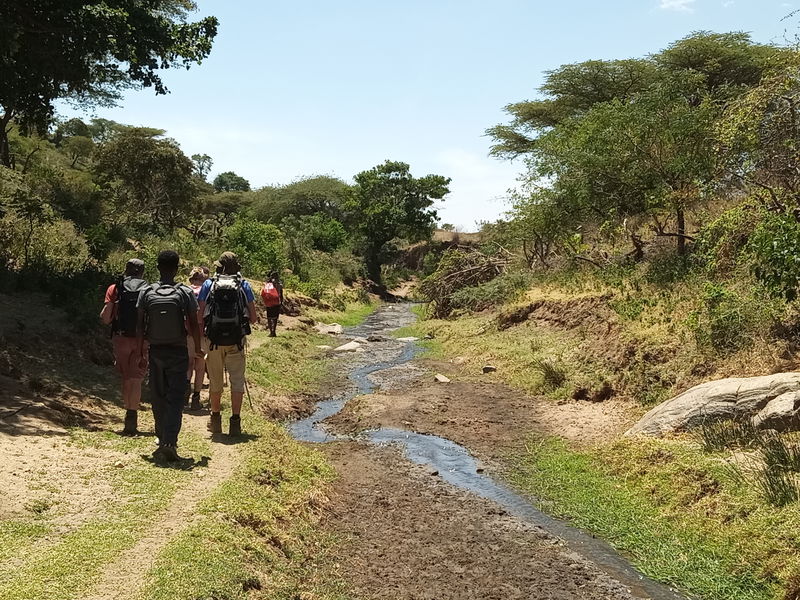
Sustainable tourism encourages travelers to reduce their environmental footprint by:
- Avoiding single-use plastics.
- Respecting wildlife habitats.
- Using local transportation when possible.
- Following “Leave No Trace” principles.
Tour operators can limit group sizes to prevent overcrowding and environmental degradation. Educating tourists before trips ensures that natural and cultural resources are respected.
Creating Employment Opportunities
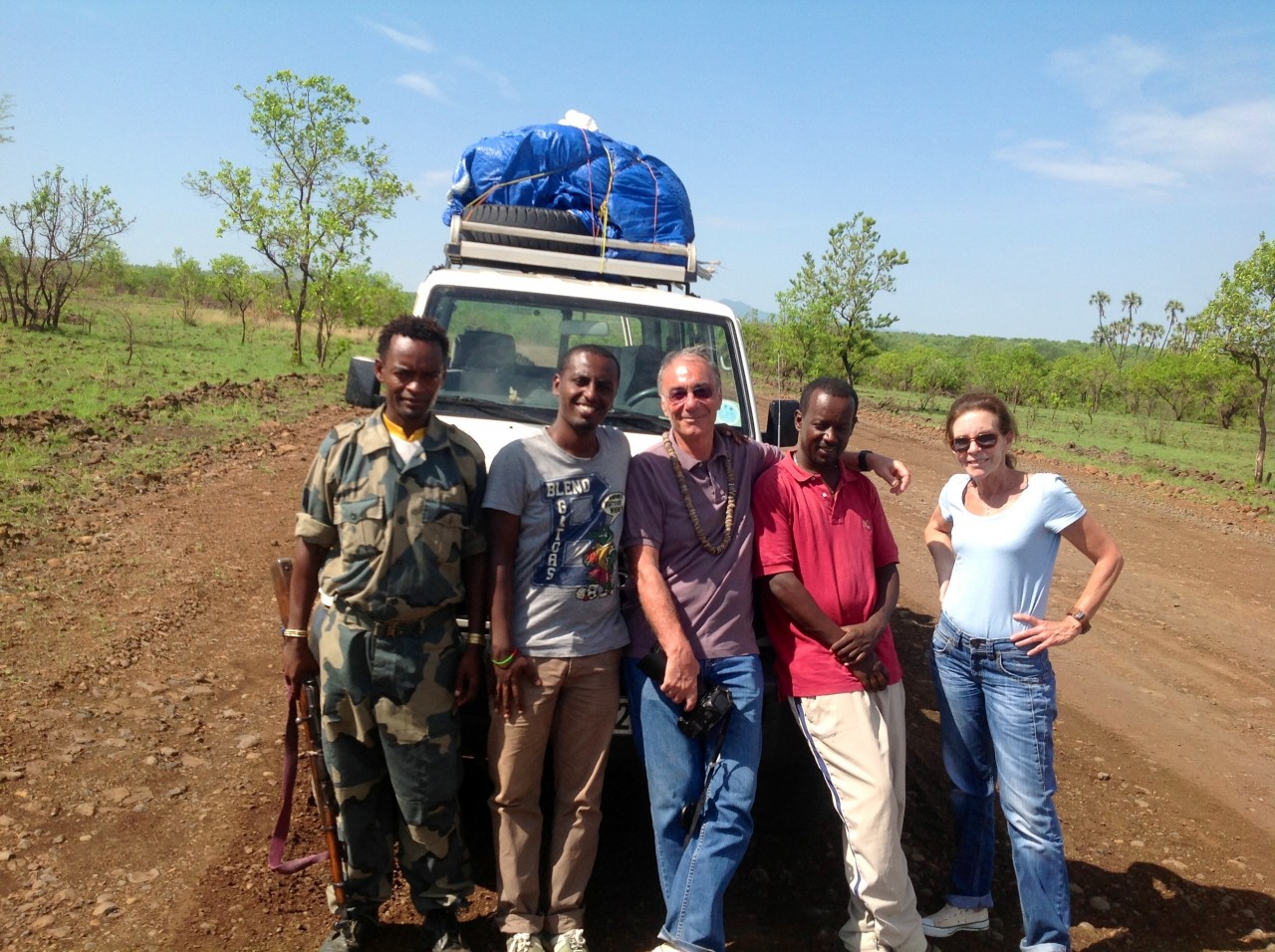



Tourism is a major source of employment. In Ethiopia, sustainable tourism creates jobs in:
- Tour guiding and interpretation.
- Hotel and restaurant services.
- Handicraft production.
- Transportation services.
- Conservation and park management.
These jobs often require training in languages, hospitality, and environmental management. This encourages skill development and youth employment. When tourism income is stable, it supports families and reduces rural-to-urban migration.
Encouraging Education and Awareness



Sustainable tourism increases awareness among both locals and visitors. Educational programs can:
- Teach communities about conservation.
- Train guides in cultural sensitivity.
- Inform tourists about Ethiopian history.
- Promote responsible behavior.
Museums, cultural centers, and visitor information hubs play a key role in spreading knowledge. When people understand the value of heritage and nature, they are more likely to protect them.
Balancing Development and Conservation



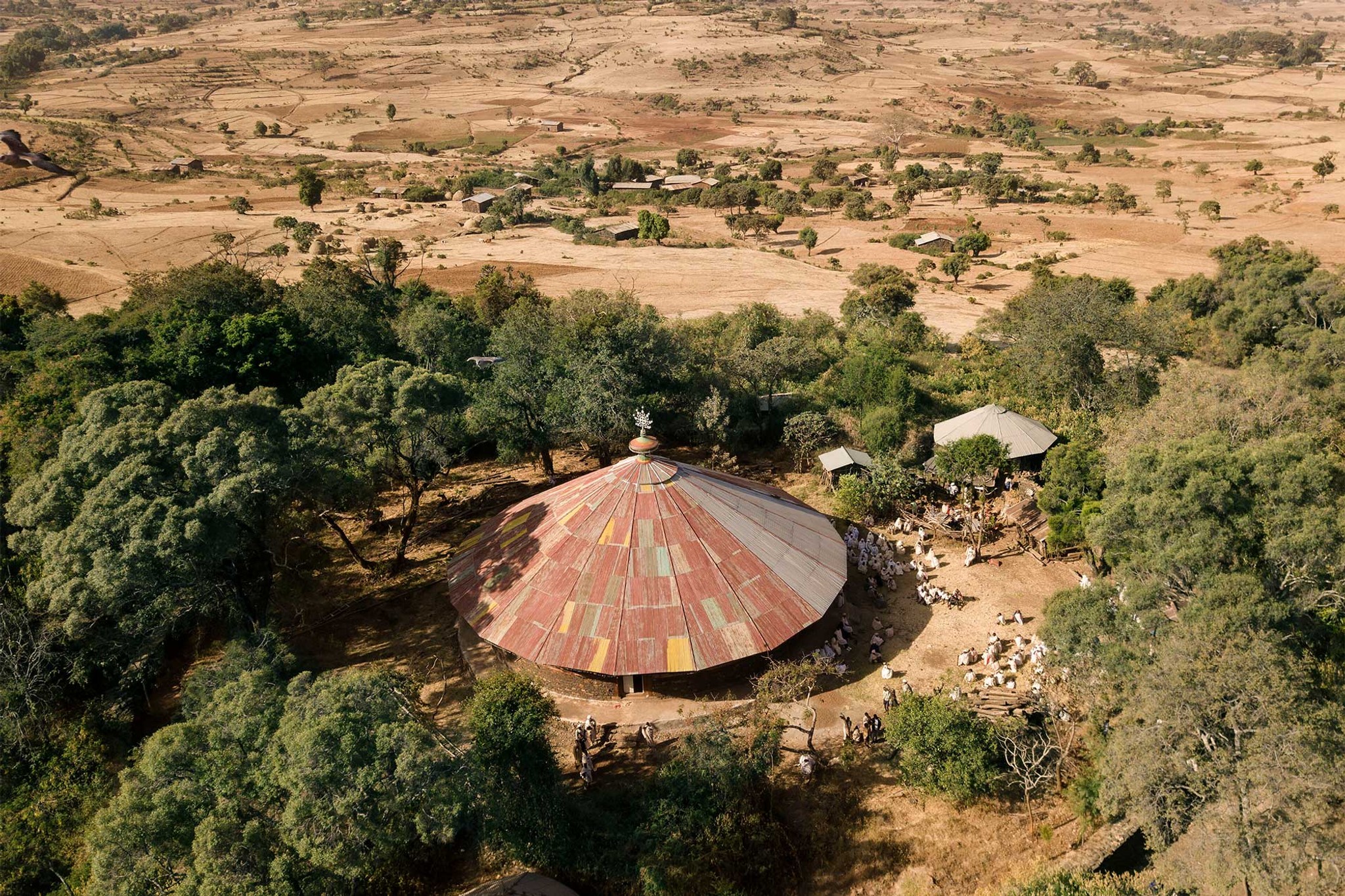
As Ethiopia develops infrastructure such as roads and hotels, it must balance growth with conservation. Overdevelopment can harm ecosystems and cultural authenticity.
Sustainable tourism planning involves:
- Environmental impact assessments.
- Community participation in decisions.
- Limiting construction in protected areas.
- Promoting long-term benefits over short-term profits.
By following these principles, Ethiopia can grow its tourism industry without sacrificing its natural and cultural treasures.
The Future of Sustainable Tourism in Ethiopia


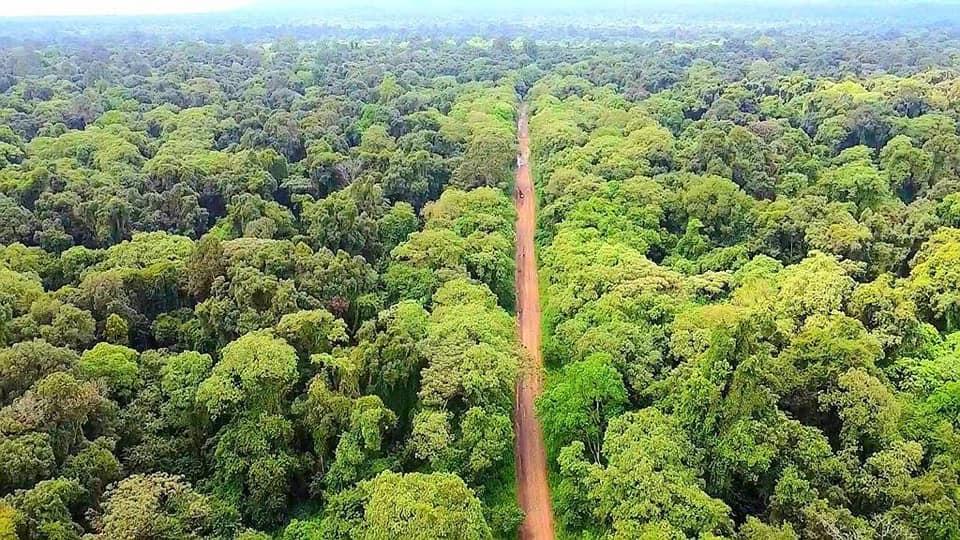

The future of tourism in Ethiopia depends on responsible management and community involvement. Government policies, private investors, and local communities must work together.
Key priorities include:
- Expanding eco-tourism training programs.
- Supporting youth entrepreneurship.
- Strengthening conservation laws.
- Promoting Ethiopia as a sustainable destination globally.
With proper planning, tourism can protect Ethiopia’s cultural identity, conserve its natural beauty, and create thousands of jobs.